
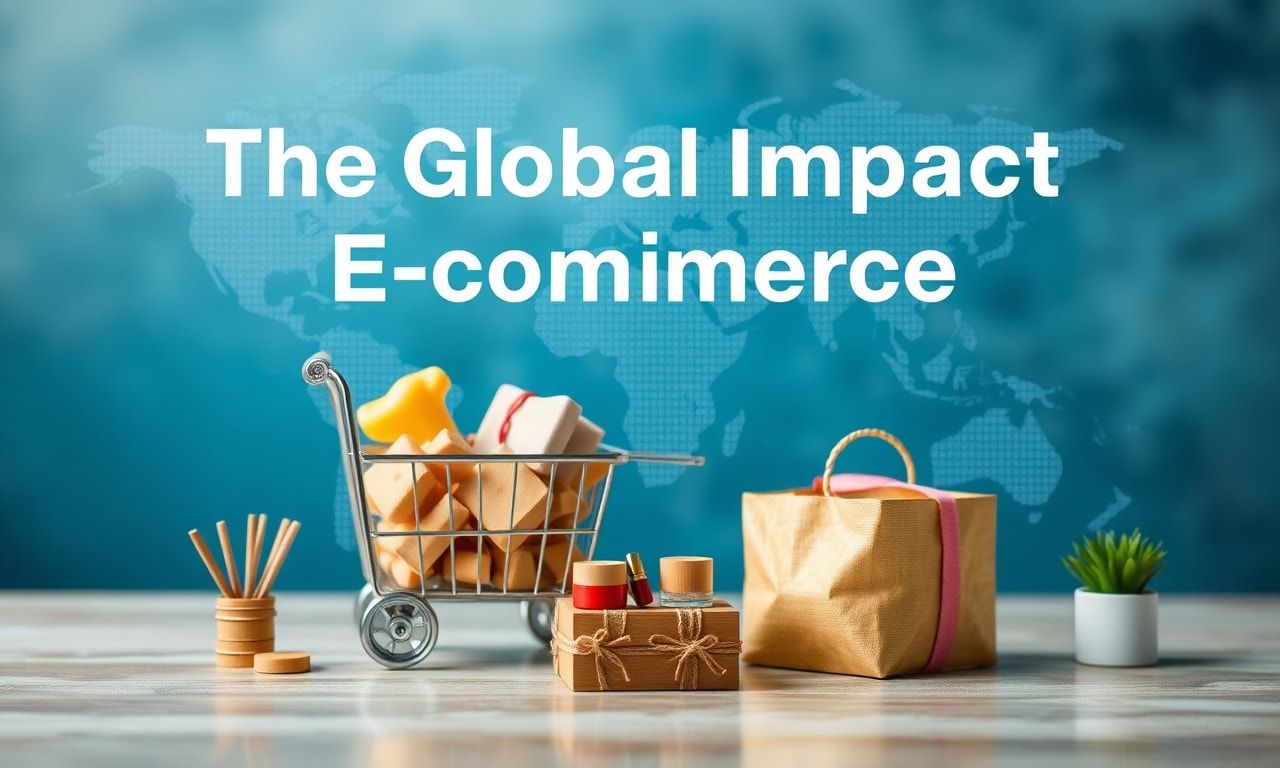
The Rise of E-commerce and Its Cultural Influence
E-commerce has revolutionized the way we shop, but its impact extends far beyond convenience and accessibility. It has become a powerful force in connecting cultures and communities around the world. From small businesses in Turkey to bustling markets in New York City, e-commerce platforms have created a global marketplace that transcends geographical boundaries. This interconnectedness fosters cultural exchange, promotes diversity, and supports economic growth on a global scale.
Cultural Exchange Through E-commerce
One of the most significant benefits of e-commerce is its ability to facilitate cultural exchange. Online marketplaces allow consumers to access products from different parts of the world, exposing them to diverse traditions, crafts, and cuisines. For instance, a shopper in New York City can easily purchase handmade Turkish textiles, experiencing a piece of Turkish culture without leaving their home. This exchange not only enriches the shopping experience but also fosters a deeper understanding and appreciation of different cultures.
Moreover, e-commerce platforms often feature stories and backgrounds of the products and artisans behind them. This narrative aspect adds a layer of authenticity and personal connection, making the shopping experience more meaningful. Consumers can learn about the cultural significance of a product, the techniques used to create it, and the community that produces it. This transparency builds trust and fosters a sense of global community.
Supporting Local Artisans and Communities
E-commerce also plays a crucial role in supporting local artisans and communities. Many small businesses and artisans rely on online platforms to reach a global audience. For example, wholesalers in Turkey can showcase their unique products to international buyers, creating opportunities for economic growth and sustainability. This support is vital, especially in regions where traditional markets may be limited. By providing a global stage, e-commerce helps preserve cultural heritage and promotes economic development.
In addition to supporting artisans, e-commerce platforms often collaborate with local communities to create sustainable and ethical products. This collaboration ensures that the benefits of e-commerce are shared equitably, empowering communities to thrive. For instance, initiatives that focus on fair trade and sustainable practices not only support local economies but also promote environmental stewardship.
The Role of E-commerce in Global Events
E-commerce’s influence extends to global events and celebrations, bringing people together in new and innovative ways. For example, during the New York City Pride Parade, e-commerce platforms can facilitate the registration and participation of marchers from around the world. The New York City Pride Parade marchers registration process can be streamlined through online platforms, making it easier for individuals and groups to join the celebration. This accessibility ensures that the event is inclusive and representative of diverse communities.
Similarly, e-commerce can support cultural festivals and events by providing a platform for vendors to sell their products and for attendees to purchase tickets and merchandise. This integration enhances the overall experience, making it more convenient and enjoyable for participants. By leveraging technology, e-commerce platforms can create a seamless and engaging experience for both vendors and consumers.
Enhancing Customer Experience Through Cultural Insights
Understanding and appreciating cultural differences is essential for enhancing the customer experience. E-commerce businesses that incorporate cultural insights into their strategies can create more personalized and relevant shopping experiences. For example, offering products that cater to specific cultural preferences or celebrating cultural events through special promotions can make customers feel valued and understood.
Furthermore, providing multilingual support and localized content can help e-commerce businesses connect with a broader audience. By speaking the language of their customers, both literally and figuratively, businesses can build stronger relationships and foster loyalty. This approach not only drives sales but also promotes cultural understanding and respect.
The Future of E-commerce and Cultural Integration
The future of e-commerce lies in its ability to integrate cultural elements into its core strategies. As technology continues to advance, e-commerce platforms will become even more sophisticated in their ability to connect cultures and communities. Artificial intelligence and data analytics can provide deeper insights into customer preferences and behaviors, allowing businesses to tailor their offerings more effectively.
Additionally, virtual and augmented reality technologies can create immersive shopping experiences that transport customers to different parts of the world. Imagine being able to virtually visit a Turkish bazaar or a New York City market from the comfort of your home. These innovations will not only enhance the shopping experience but also promote cultural exchange and understanding.
In conclusion, e-commerce has become a powerful tool for connecting cultures and communities around the world. By facilitating cultural exchange, supporting local artisans, and enhancing global events, e-commerce platforms play a crucial role in fostering a more interconnected and inclusive world. As technology continues to evolve, the potential for e-commerce to bridge cultural divides and promote global understanding will only grow. Embracing this potential is key to creating a more vibrant and diverse e-commerce landscape.
If you’re considering diversifying your investment portfolio, explore the potential of Turkey’s booming real estate market through our latest feature on prime villa opportunities.
As the spooky season approaches, discover how to boost online sales with Halloween trends in our latest feature.